


How to choose coolant concentration for metal grinding
Coolant is not just "water for cooling." In the grinding process, it acts as a technological lubricant that directly affects the service life of the abrasive belt and the final quality of the part.
Concentration is one of the most critical operational parameters. Why shouldn't you work "by eye," and how do you find the perfect balance? Let's dive in.
Why correct concentration matters
If you use a concentrate (such as the Cimcool line available in our catalog), it must be diluted with water in a strict proportion.
- If concentration is too low (insufficient product):
- Corrosion: The machine and parts begin to rust.
- Abrasive Wear: The grinding belt clogs faster with metal dust (loading) and loses its cutting ability.
- Overheating: Burn marks appear on the metal surface.
- Bacteria: Low concentration promotes rapid spoilage of the solution and the appearance of unpleasant odors.
- If concentration is too high (excess product):
- Costs: You are wasting money by overusing concentrate.
- Foaming: Excessive chemicals can cause too much foam, which interferes with the process.
- Health Risks: Possible skin irritation (dermatitis) for machine operators.
- Filtration Issues: Filter media clogs faster due to the excessive viscosity of the liquid.
Recommended norms for grinding
For most metal grinding operations using endless belts, the following indicators are recommended:
- Standard steel grinding: 4–6%
- Heavy-duty grinding and stainless steel: 7–10%
- Non-ferrous metals (aluminum, titanium): 5–8% (crucial for washing away viscous chips).
How to control concentration levels?
A refractometer is used for accurate measurement. This optical device shows the percentage of oil content in the solution.
Important: Each coolant brand has its own "refractometer factor." To get the actual percentage, multiply the reading on the device scale by this factor (found in the product datasheet).
Tips from Stark Abrasive:
- Mixing Order: Always add concentrate to water, not the other way around. This ensures the correct emulsion is created.
- Daily Monitoring: Water evaporates faster than oil, so the concentration in the tank constantly increases. Check it regularly before the start of a shift.
- Water Quality: Hard water can "break" the emulsion. If you encounter problems, contact our specialists to select the optimal coolant formulation.
Conclusion: Proper coolant selection and concentration control can increase abrasive belt life by 20-40%.
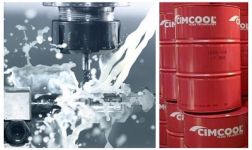
Cimstar 3250FF is a pure, water-soluble semi-synthetic product containing no formaldehyde.
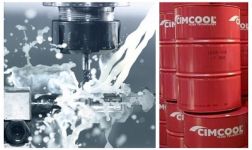
Cooling lubricant for medium- and heavy-duty blade and grinding operations.
Oak Kool 310 is an amber-colored water-soluble semi-synthetic coolant concentrate.
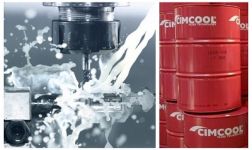
LAB OIL 100WT is a water-soluble agent for protection against corrosion of the emulsion type. The presence of wax in the product provides the necessary lubricating properties to meet the requirements of the automotive industry.
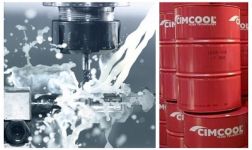
Cimguard 40 is a high-quality oil-based corrosion protection fluid for ferrous and non-ferrous metal parts in indoor and outdoor storage.
When applied to parts, it leaves a soft, oily, water-repellent film that can be removed with a solvent or alkaline cleaner.


