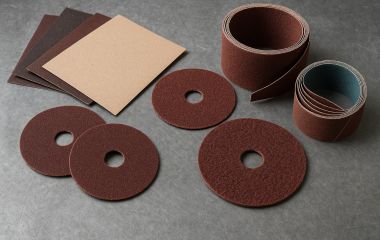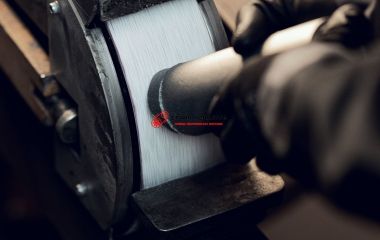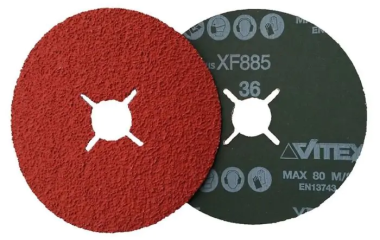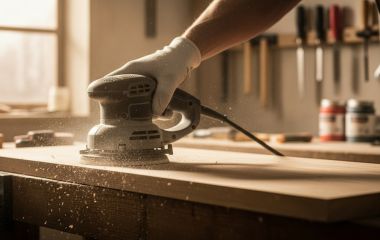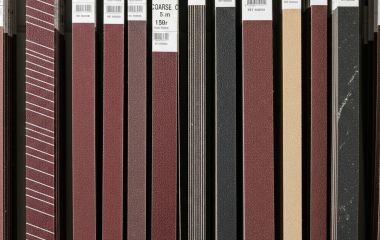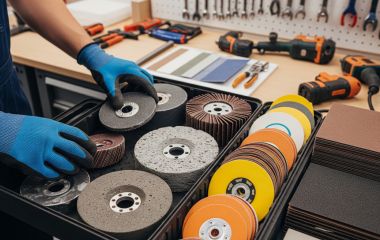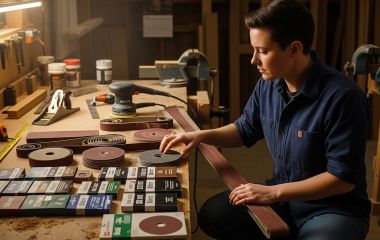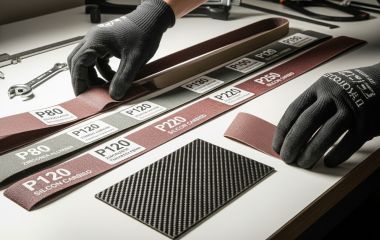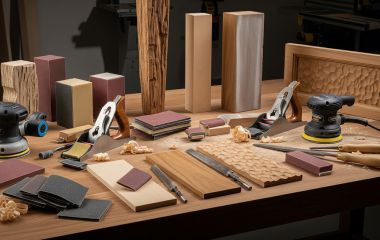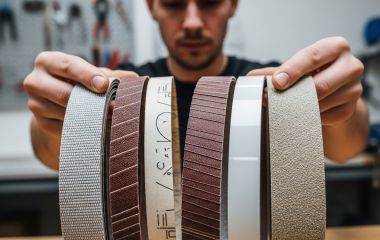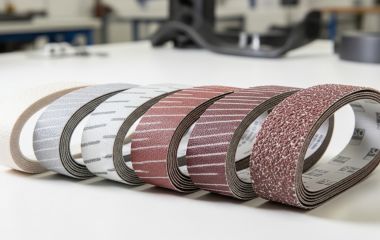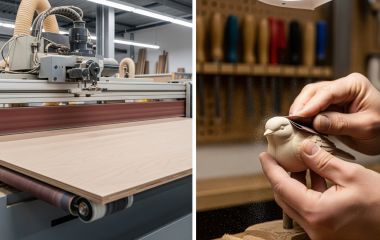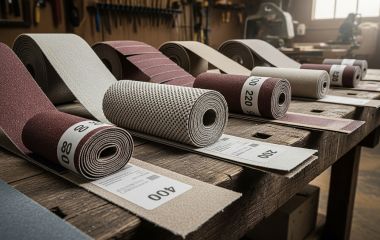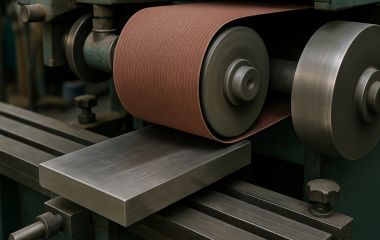
Do you strive for ideal product quality? Do you want to significantly reduce processing time? Choosing the right grinding belts solves these challenges. This is not just a tool. It is the key to optimizing your entire manufacturing cycle. Stark Abrasive offers solutions that will transform your grinding process. Forget about frequent replacements and equipment downtime.
Новости
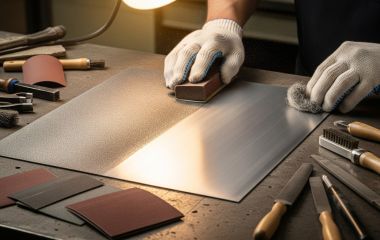
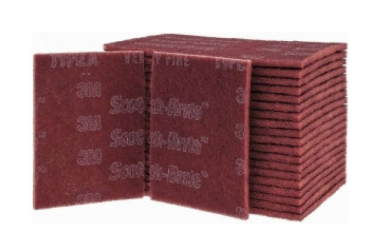
Scotch-Brite™ abrasive sheets are a practical tool for cleaning, polishing, and preparing various surfaces at home. Their unique fiber structure ensures even sanding without scratches. Stark Abrasive offers a wide range of Scotch-Brite™ products for everyday and professional use.
Rust removal is a key step in preparing metal surfaces for further processing or painting. The right abrasive ensures a clean finish, saves time, and extends the life of your tools. Stark Abrasive shares expert tips on how to select the best abrasive for manual rust removal.
Working with non-ferrous metals requires precision and the right abrasive tools. Choosing the correct sanding belts ensures a clean surface and minimal tool wear. Stark Abrasive offers advanced solutions for efficient performance.
Stark Abrasive has an updated collection of promotional abrasive materials, allowing you to purchase high-quality abrasives at reduced prices. Now is the best time to take advantage of these great offers for grinding, polishing, and surface finishing.
An orbital sander is a tool that ensures flawless finishing on different materials. It helps achieve a smooth surface without streaks or scratches. The secret lies in choosing the right abrasives and mastering the proper technique.
Choosing the right sanding belts directly affects the quality of surface finishing. It is important to consider belt width, length, and abrasive type. Stark Abrasive offers a wide range of abrasive materials for different industries.
The right choice of abrasives in construction determines speed, quality, and safety. From grinding concrete to polishing stone — each task requires the proper solution.
The online abrasives market is rapidly growing in 2025. More and more professionals and workshops choose to buy abrasives online. It’s convenient, fast, and cost-effective. Online shopping saves time and allows you to instantly find the right materials.
Abrasives have long become an integral part of everyday life. They are used for repairs, surface care, and working with tools. In 2025, new technologies will appear that make household abrasives more effective and safer.
Working with composite materials requires the right abrasives. Sanding belts help achieve high-quality results without damaging the surface.
Modern furniture design actively uses abrasives to texturize furniture. They allow you to create unique surfaces with depth and character. Thanks to abrasive materials, craftsmen give wood and MDF the effects of aging, brushing or grinding under natural stone.
Metal grinding is a key stage in metalworking. Using hand tools allows craftsmen to achieve precision and quality. The choice of tool depends on the task: roughing, cleaning, or finishing stainless steel.
Grinding belts are essential in professional grinding and finishing. Choosing the right backing material directly affects efficiency, durability, and quality of the final result. Let’s take a closer look at the characteristics of the most popular bases — X-polyester, Y-polyester, and cotton.
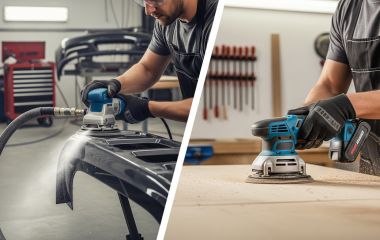
Choosing the right sander is an important step for achieving high-quality surface finishing. Among the most popular options are pneumatic and electric models. Each type has its own advantages and disadvantages, which should be considered before making a purchase.
How to choose sanding belts for plastic. Tips on grit size, abrasive material, and sanding technique from Stark Abrasive.
Choosing between automatic and manual sanding depends on the task, budget, and quality requirements. Both methods have their advantages and limitations, and the right choice will impact work efficiency.
The right belt backing material directly affects sanding quality and speed.
The backing defines flexibility, strength, and the tool’s lifespan.