


How to choose the width and length of sanding belts
Choosing the right sanding belts directly affects the quality of surface finishing. It is important to consider belt width, length, and abrasive type. Stark Abrasive offers a wide range of abrasive materials for different industries.
Why Sanding Belt Width Matters
The width of a sanding belt determines the working surface area. Narrow belts are ideal for small details, while wide belts are better for large workpieces. For example, in woodworking, widths from 50 mm to 150 mm are common, while in metalworking wider formats ensure higher productivity.
How to Choose Belt Length
Length influences both usability and belt durability. Longer belts distribute pressure more evenly and reduce overheating. Handheld sanders usually use belts from 500–1000 mm, while industrial machines require much longer belts for continuous operation.
Types of Tools and Belts
- Hand tools work best with medium-sized belts.
- Pneumatic tools use narrow and shorter belts for precision sanding.
- Industrial sanding machines require long, wide belts for speed and stability.
Tips from Stark Abrasive
- Define the material: wood, metal, stainless steel, or composites.
- Choose the optimal width based on the tool and application.
- Remember: belt length impacts wear resistance.
- Always use high-quality abrasives for consistent performance.
Sanding belts are essential in woodworking, metalworking, and construction. The right choice of width and length guarantees quality and efficiency. Stark Abrasive is ready to provide the best abrasive materials tailored to your tasks.
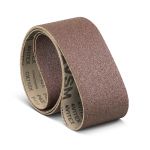
Particularly good for products with a small contact surface in the grinding area.
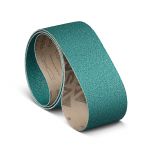
Ideal industrial grinding tape for daily grinding of various workpieces and materials.


