


Sanding belts for non-ferrous metals
Working with non-ferrous metals requires precision and the right abrasive tools. Choosing the correct sanding belts ensures a clean surface and minimal tool wear. Stark Abrasive offers advanced solutions for efficient performance.
Which Belts to Choose for Non-Ferrous Metals
Non-ferrous metals like aluminum, copper, and brass have unique properties. They are softer than steel and can overheat quickly. The best options include:
- aluminum oxide belts — universal and durable;
- zirconia belts — ideal for intensive sanding;
- ceramic abrasives — ensure stable results on larger surfaces.
Proper Use of Sanding Belts
To extend the service life of abrasives, follow these rules:
- never exceed the recommended speed;
- apply cooling during heavy sanding;
- choose the belt width and length according to the tool;
- clean the belt surface regularly.
Benefits of Stark Abrasive Belts
Choosing belts from Stark Abrasive guarantees:
- consistent material removal;
- reduced risk of overheating non-ferrous metals;
- high productivity and long service life;
- stable surface quality after sanding.
Sanding non-ferrous metals requires the right abrasives. Belts from Stark Abrasive help achieve flawless surfaces and improve efficiency. Choose professional tools for the best results.
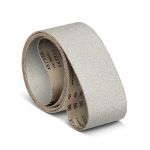
The new additional coating of Sterate Plus significantly reduces the adhesion of the material to abrasive grain. XK733X- Abrasive based on ceramic grain with a semi -open embankment for the effect of self -aging. Very effective in the treatment of particularly solid surfaces, differs in aggressive grinding and extremely long service life.
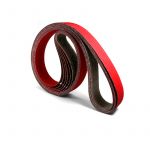
The endless VSM XK 888 Z Ceramics grinding tape is made on an extremely durable polyester -fabric basis. Abrasive grain of ceramic electrocounds VSM Ceramics with a closed embankment. It is intended primarily for rough treatment of very solid materials, high -alloy alloys, noble and ordinary steel. Aluminum and alloys of other metals are also permissible. The extremely durable and rigid base can withstand heavy loads and allows to work with high clamping force in the contact area, for example, to remove the chamfer.


