


Dry or wet sanding: How to choose?
What is Dry Sanding
Dry sanding is the most common method of surface finishing without using water or coolant.
It’s fast, convenient, and doesn’t require additional equipment.
This method works great for metals, wood, and composites.
To avoid overheating and clogging, use belts with anti-clog coatings such as VSM XK885Y or RK700X from STARK Abrasive — they perform reliably even under high pressure.
When to Choose Wet Sanding
Wet sanding is used when you need maximum smoothness and precision.
Water or coolant helps remove heat, reduce dust, and extend the belt’s lifespan.
This method is ideal for stainless steel, non-ferrous metals, or decorative finishes.
Use water-resistant belts with special waterproof coatings designed for both wet & dry applications.
Key Differences Between Dry and Wet Sanding
Productivity.
Dry sanding is faster but can overheat the material.
Wet sanding is slower yet produces a flawless finish.
Surface Quality.
Wet sanding minimizes scratches and gives a smoother, shinier result.
Abrasive Lifespan.
Dry belts wear out faster due to heat buildup.
Wet belts last longer thanks to cooling and lubrication.
How to Choose the Right Belt
Your choice depends on material, application, and equipment.
-
For dry sanding, choose ceramic or zirconia belts like VSM XK870X, XK885Y.
-
For wet sanding, look for series marked “Wet & Dry” or “Waterproof.”
Check technical specs on the STARK Abrasive website or contact a consultant for assistance.
Conclusion
Dry sanding offers speed and simplicity.
Wet sanding provides precision and perfect surface quality.
Whatever method you choose, the right abrasive belt makes all the difference.
Explore professional grinding belts from STARK Abrasive
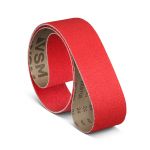
Universal abrasive tape from ceramic grain for a wide range of tasks.
Universal abrasive tape from ceramic grain for a wide range of tasks.
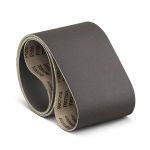
With RK700X grinding and polishing, you can carry out one stage of processing.


