


New materials in the abrasive industry
Innovations Changing the Abrasives Market
The abrasive industry is evolving rapidly. Manufacturers constantly seek more efficient, durable materials. New developments improve grinding, reduce wear, and increase processing precision.
Next-Generation Ceramic Grains
Ceramic abrasives are a breakthrough in the field. They are created using precision-shaped grain technology. This results in ideal particle shape.
These grains cut cleaner and retain their sharpness longer. They’re especially effective for processing high-alloy steels.
Nano-Structured Abrasives
Nanotechnology enables abrasives with unique properties. Reducing grain size to the nano level increases consistency in surface finishing. This is crucial for high-precision industries like aviation and electronics.
Hybrid Materials with Additives
Modern abrasives include polymers, metal oxides, or carbides. These improve heat dissipation, reduce overheating, and minimize wear.
Hybrid abrasives are ideal for complex materials such as titanium, Inconel, and hardened steel.
Improved Bonds and Backings
New bonding agents provide better grain retention. Modern backings are flexible, lightweight, and durable. This is especially important for abrasive belts and discs used under heavy loads.
Sustainability: Eco-Friendly Abrasives
Demand is growing for abrasives with minimal environmental impact. Manufacturers implement safer binders, recyclable materials, and energy-efficient technologies.
The abrasive industry is constantly improving. Modern materials are more effective, precise, and long-lasting. Stark Abrasive offers innovative solutions for professionals who want the best performance in material processing.
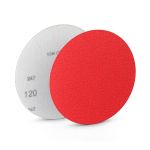
Self-sharpening ceramic grain abrasive for grinding stainless steel and special alloys.
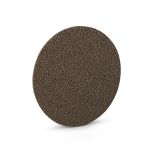
A velour backed fibre disc with a compact aluminium oxide grit that is easy to grind and provides a self-sharpening effect at low pressure.
A velour backed fibre disc with a compact aluminium oxide grit that is easy to grind and provides a self-sharpening effect at low pressure.


